

Wellington City Council has delivered what it calls a 7.4% average rates increase for 2026/27, down from a planned 12.7%. Mayor Andrew Little framed it as fiscal discipline, saying the council heard “a clear message from Wellingtonians” that rates affordability is a major issue.
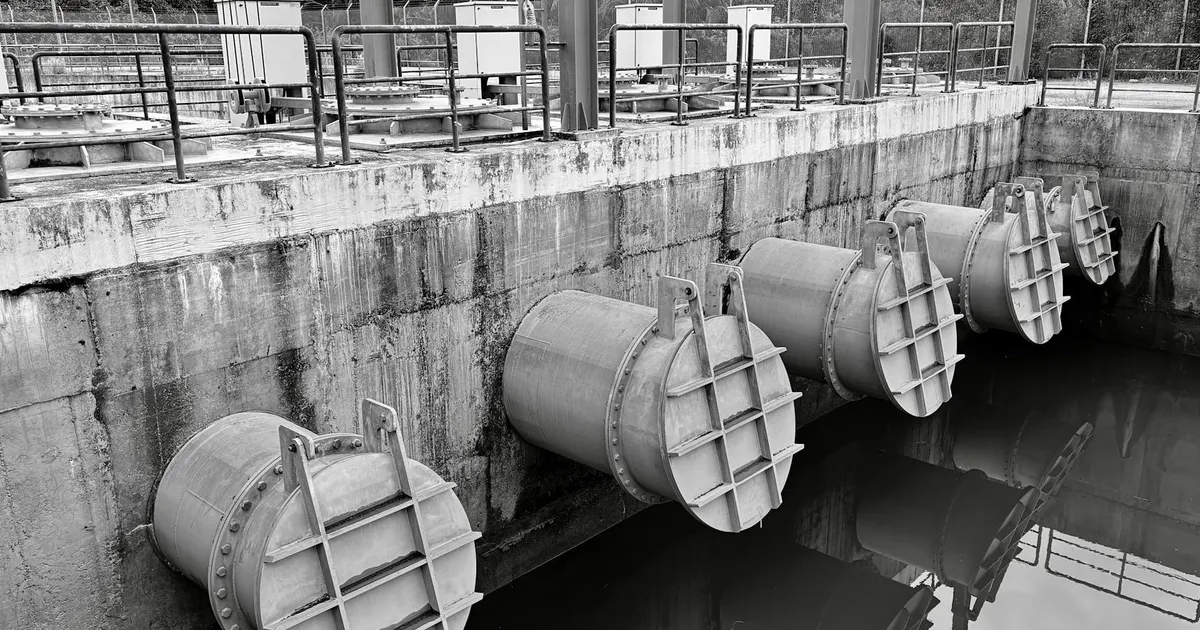
The headline is technically accurate. It is also misleading. From 1 July, water services are being stripped out of the rates bill entirely and handed to Tiaki Wai, a new council-controlled organisation covering drinking water, wastewater, and stormwater for roughly 432,000 people across Wellington, Porirua, Hutt City, Upper Hutt, and Greater Wellington. Ratepayers will receive a separate bill. The rates line looks smaller because the water costs have been moved to a different envelope.
The bill nobody is advertising
Tiaki Wai chair Will Peet has confirmed that first-year charges will reflect what each council had previously budgeted for water, meaning the initial hit varies by area. But Peet has been explicit about where this is heading: Tiaki Wai intends to “harmonise” water bills between cities over time, which guarantees steeper increases for some ratepayers as pricing converges.
The direction of travel is not subtle. Wellington Water warned in 2023 that fixing the region’s water infrastructure would cost around $1 billion per year for the next decade, a total of $10 billion. Chief executive Tonia Haskell was blunt: the budget was “unconstrained by affordability” because that was the only honest way to calculate the gap. Councils had never funded the required investment because they “simply could not afford to meet the costs of that past under-investment.”
This is not a Wellington quirk. Water New Zealand chief executive Gillian Blythe has said councils nationally plan to spend close to $50 billion renewing and expanding water networks over the next decade, with costs expected to double in some areas. Wellington is simply further down the curve than most.
The regulator is already worried
The Commerce Commission has flagged it is considering stronger economic regulation of Tiaki Wai. Commission chair Dr John Small said the “immediate priority” is whether Tiaki Wai needs rules beyond current reporting requirements to ensure water services provide “good value for money in the long term.”
What prompted the concern is telling. The Commission’s analysis of Wellington Water’s first set of disclosures found increasing reactive maintenance costs and “low confidence from Wellington Water in the accuracy of its data systems.” When an infrastructure operator cannot reliably describe the condition of its own network, cost surprises run in one direction only.
Tiaki Wai inherits this data problem along with the pipes. Businesses planning around projected water costs should treat current estimates as a floor, not a ceiling.
Already the most expensive city to operate in
Water charges land on a cost base that is already punishing. Property Council New Zealand has documented that Wellington’s commercial and industrial properties are rated at 3.7 times the residential rate, the highest differential in the country. In dollar terms, Wellington’s commercial ratepayers pay around $20,000 more per year on average than those in comparable cities.
Property Council has warned this is “influencing real decisions; whether to invest, refurbish, lease, relocate or, in some cases, step away altogether.” Even the mayor has acknowledged the differential is unbalanced.
Add a separate, rising water bill to that existing premium and the competitive arithmetic gets worse. The Wellington Chamber of Commerce has already described the city’s growth as “stagnant” and its private sector as “lagging,” with the CBD under pressure from high vacancy rates, public sector contraction, and ongoing seismic remediation.
The rates cap cannot fix a pipe
The government’s proposed rates capping legislation adds a layer of irony. Greater Wellington Regional Council chair Daran Ponter has warned that a blunt cap “will ultimately harm the very communities it seeks to protect,” arguing it ignores the infrastructure investment reality councils face.
The structural problem is obvious: you can cap rates, but you cannot cap the decay of underground pipes. The money will come from somewhere. Tiaki Wai’s model moves it off the rates line and onto a separate water bill, which neatly sidesteps any cap. The cost to the ratepayer is identical.
For a hospitality operator on Courtenay Place or a commercial landlord in the CBD, the 7.4% headline means nothing in isolation. What matters is the total: rates plus water plus the highest commercial differential in the country, in a city whose own business community describes its economy as stagnant. Wellington is not just failing to fix its pipes. It is billing businesses for the privilege of waiting.
Sources
- RNZ: What you need to know about Tiaki Wai, the entity replacing Wellington Water
- RNZ: Wellington’s water woes could cost $1 billion a year to fix (2023)
- Scoop Business: Infrastructure Plan Highlights Need For Volumetric Water Charging (2026-02-18)
- Scoop Business: Commerce Commission Considering Stronger Economic Regulation Of Wellington’s Water Services (2026-02-13)
- Property Council NZ: Wellington’s business differential
- NZ Herald: Wellington Chamber of Commerce pitches plan to fix capital’s economic woes
- Scoop Business: Rates Capping Risks Undermining Regional Services (2026-02-04)