

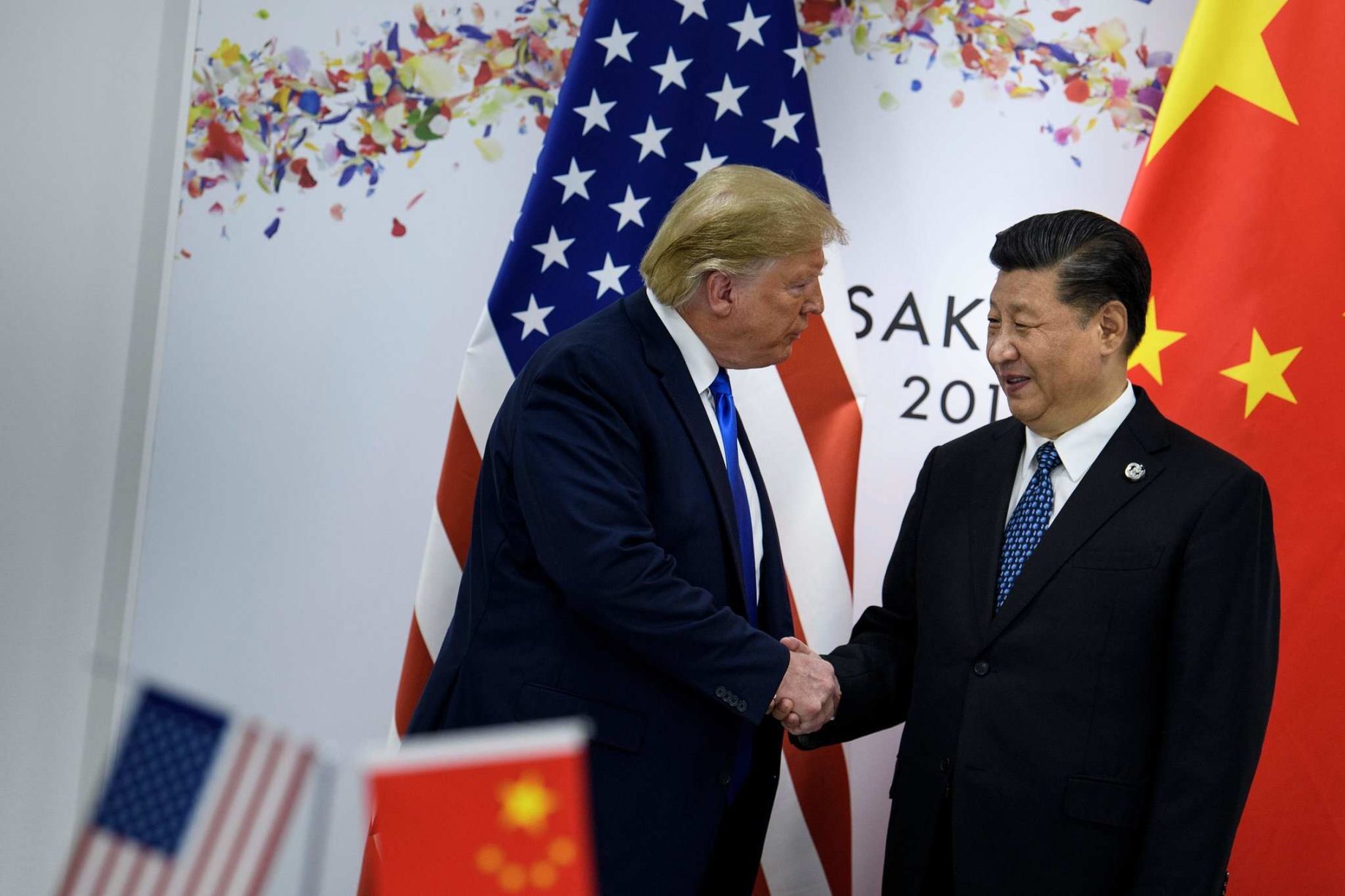
Senior officials from the United States and China met in Madrid on Sunday to address ongoing trade disputes, including a fast-approaching deadline for TikTok’s U.S. divestment and Washington’s efforts to persuade its allies to impose tariffs on China over its Russian oil purchases.
The talks took place at Madrid’s Palacio de Santa Cruz, Spain’s foreign ministry, with U.S. Treasury Secretary Scott Bessent and Trade Representative Jamieson Greer meeting Chinese Vice Premier He Lifeng and lead trade negotiator Li Chenggang.
This was the fourth round of talks in recent months aimed at preventing further deterioration of the tense trade relationship, heavily strained by tariffs imposed during President Donald Trump’s administration.
Previous discussions, including July’s meeting in Stockholm, extended a 90-day trade truce that reduced retaliatory tariffs and resumed shipments of rare-earth minerals to the U.S. Trump has authorised tariffs at about 55% on Chinese imports to remain until at least November 10, 2025. Observers expect limited progress in Madrid, noting Spain’s closer ties with Beijing.
A critical issue is ByteDance’s deadline to divest TikTok’s U.S. operations by September 17 or face a ban. An insider close to Trump’s administration expects another extension, marking the fourth since the president took office.
TikTok had not been a topic in earlier rounds but is now public as an agenda item, providing political cover for an extension despite bipartisan Congressional pressure for the app to be sold to a U.S. owner due to security concerns.
Wendy Cutler, former U.S. trade negotiator, anticipates that more substantial agreements—such as resolving TikTok’s security issues, lifting some restrictions on Chinese agricultural imports, and tariff reductions—might be settled at a high-level meeting between Trump and Chinese President Xi Jinping, possibly at an Asia-Pacific summit in Seoul later this year.
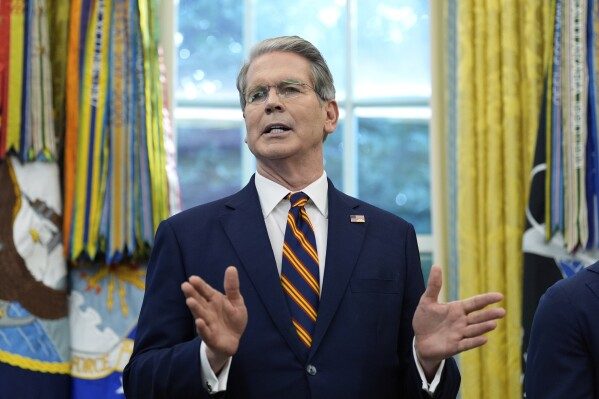
Besides trade, discussions also tackled China’s purchase of Russian oil amid the Ukraine war. Bessent urged G7 allies to implement “meaningful tariffs” on imports from countries buying Russian oil to cut Moscow’s war funding. The U.S. has imposed extra tariffs on Indian goods due to Russia-related purchases but has not yet done so against China.
Spain’s Foreign Minister José Manuel Albares welcomed the delegations, showing Madrid’s ambition to become a diplomatic hub. However, tensions remain given Spain’s criticism of Israeli actions in Gaza and hesitation to meet NATO defence spending targets.
Bessent has criticised Spain for naming Beijing a “strategic partner” amid the tariff conflict, calling it “cutting your own throat.”
With no major breakthroughs expected, Madrid’s talks are likely to extend existing deadlines and prepare the ground for more decisive negotiations before year-end.