

New Zealand quietly bought a strike weapon
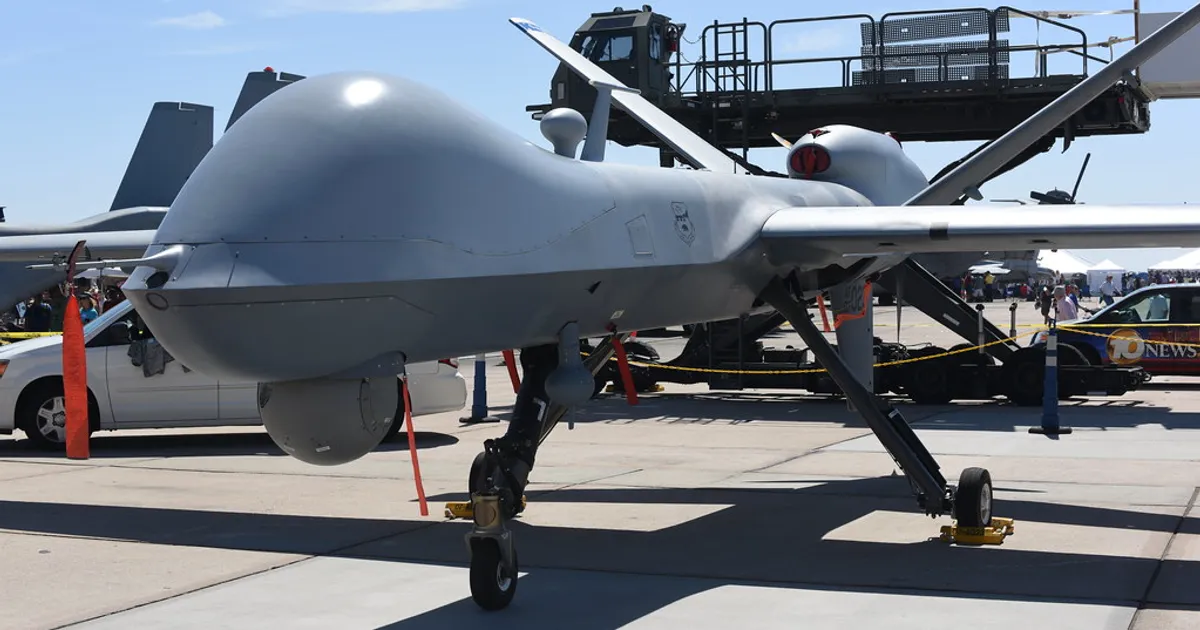
Buried inside a broader announcement about drone trials, Defence Minister Judith Collins confirmed the NZDF will acquire the SA7 “one-way effector” from Tauranga-based Syos Aerospace. The military euphemism is deliberate. A one-way effector is a loitering munition, a drone that delivers its payload by flying into the target. New Zealand has never operated this class of weapon before.
The SA7 carries a 7 kg payload with 35-minute endurance and is reconfigurable between missions. Alongside it, the NZDF is trialling the SA2 ISR drone, which operates in GNSS-denied environments where GPS has been jammed, a capability refined by the electronic warfare conditions in Ukraine. The contract also covers a 400 kg ground vehicle and a maritime patrol vessel capable of 650 nautical miles at Sea State 5.
For a country that has historically been squeamish about offensive capability, this is a meaningful shift. It has attracted almost no policy debate.
The company is not a charity case
Syos Aerospace was founded four years ago in Mount Maunganui and won the 2025 NZ Hi-Tech Company of the Year award. In the past twelve months it has sold more than 140 uncrewed maritime vessels, making it one of the largest manufacturers in the segment globally. Modified SM300 drones have been used by the Royal Navy in exercises around Greenland, and the company has been shortlisted by the UK Ministry of Defence for Project NYX, a programme seeking collaborative combat aircraft to support Apache helicopters.
CEO Sam Vye frames the technology as infrastructure, not weaponry: “I liken them to Ford Transits. The technology is developing so fast they’re sending drones into the field with software updated and remotely uploaded the night before.”
This matters because the NZDF is not propping up a fledgling startup. It is buying from a company that already has international customers, combat-proven products, and dual headquarters in New Zealand and the UK. The sovereign customer credibility the NZDF contract adds will accelerate export sales, not create them from scratch.
Three companies, one kill chain
The procurement involves more than Syos. Sysdoc is providing training and learning development, while Hirtenberger Defence Technology supplies fire control systems including the Arcfire system, designed and built in New Zealand. The NZDF is exploring integration of the drones with Arcfire and its battle management system.
If that integration proceeds, New Zealand will have a domestically produced, networked drone-to-fire-control capability. That is not a procurement outcome. It is the seed of a defence technology cluster.
Collins has been explicit about the intent, citing the Defence Industry Strategy released in 2025, which details how Defence and industry should collaborate to build a resilient domestic industry capable of generating economic growth and export markets. “Having cutting-edge drone technology developed and supported by local businesses will reduce supply chain risk and strengthen our resilience,” she said.
The money behind the trial
The 2025 Defence Capability Plan outlines a $12 billion investment framework. The long-range drone project specifically carries a ballpark budget of $100 to $300 million over four years, with additional funding for AI development. Counter-drone systems were one of 15 priority projects funded in Budget 2025. The current Syos contract is a trial, not a production commitment, but the pipeline behind it is substantial.
Collins has pointed directly to the Ukraine model: “They’re building all over the place. That tells you what you can do.” Vye reinforces the logic from the supply side: “It’s now about rapid adoption of modern technology and having production that can supply within the region to de-risk the supply chain.”
The real test is whether the state can stay the course
For decades, New Zealand’s tech sector has complained about the absence of anchor customers willing to buy early-stage domestic products at scale. Defence procurement, done deliberately, is one of the few tools governments have to create that demand signal. Syos has proven the model works commercially. The question is whether Wellington can sustain it politically.
Defence budgets are easy targets in election years. Procurement cycles stretch across parliamentary terms. Companies that orient their growth around government contracts can be stranded by a single budget decision. If this trial succeeds and the production contracts follow, New Zealand could have its first genuine defence technology export industry. If the commitment wobbles, the companies that bet on it will take their capability to countries that follow through. Syos already has a UK headquarters. The option to leave is built in.
Sources
- Newsroom: Iran strikes underscore strategic intent of NZ’s new ‘combat-proven’ drones (2026-03-02)
- Overt Defense: New Zealand to Trial Locally Developed Air, Land and Sea Drones (2026-03-06)
- BusinessDesk: NZDF to trial NZ-made Syos drones used in Ukraine war
- NZ Herald: Tauranga robotics company Syos Aerospace to supply NZDF with drones
- Inside Government: Kiwi-made drones join NZDF capability ranks
- NZDF Defence Capability Plan 2025
- EX2: NZDF selects Syos Aerospace SA2 and SA7 UASs
- NZ Herald: New arms industry in New Zealand – From dream to warfighting drone in just a few weeks