

The absurdity in plain English
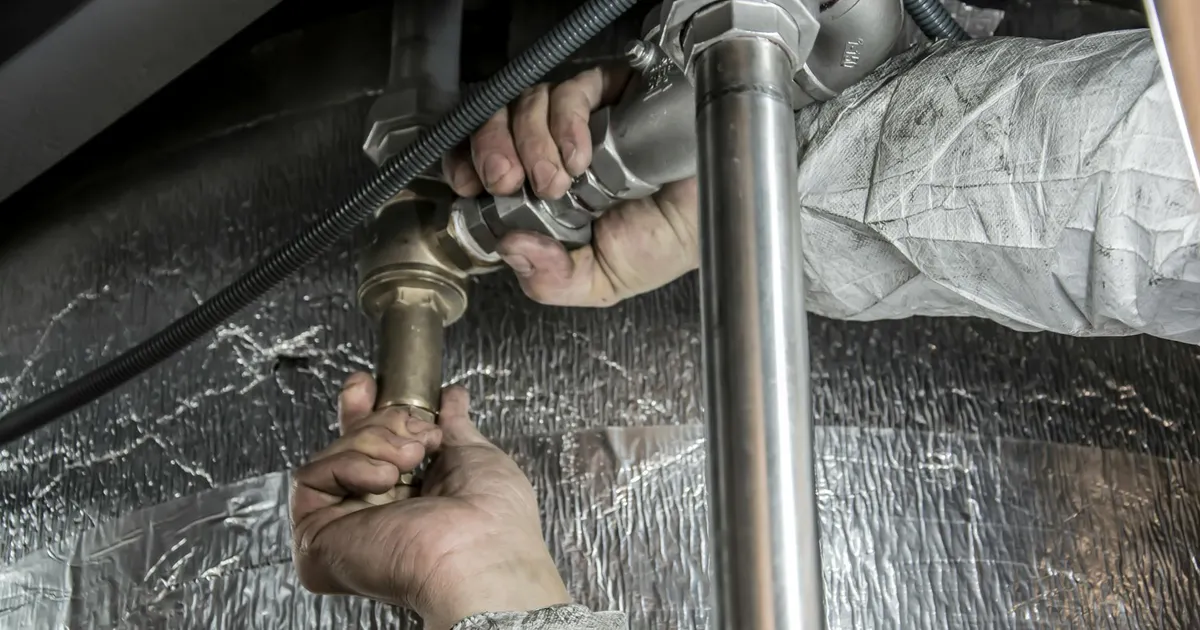
Consider the career path. A plumber spends seven years training to become a Certifying Plumber. They are registered, licensed, insured, and personally liable under the Plumbers, Gasfitters and Drainlayers Act for every joint they solder and every pipe they lay. None of that changes when a council Building Consent Authority inspector turns up to look at the work. The BCA inspection does not transfer liability to the council. It does not add a warranty. It adds a queue.
A simple single-storey home currently requires around 12 separate inspections before completion. Inspection wait times stretch up to a week, and every idle day on site costs about $400. Across the industry, the average time to build and consent a home is 569 days. Some of that is genuine complexity. A meaningful slice of it is process masquerading as protection.
The Government is now moving to fix this, and it has taken far too long.
Electricians have had this for years
Building and Construction Minister Chris Penk announced in April 2025 that Cabinet had agreed to an opt-in self-certification scheme for approved building firms, plumbers, and drainlayers on simple residential dwellings. The Building and Construction Sector (Self-certification by Plumbers and Drainlayers) Amendment Bill passed its first reading on 19 November 2025.
The most telling detail is the parity argument. As Penk put it: “Giving qualified plumbers and drainlayers the ability to self-certify their work puts them on equal footing with electricians and gasfitters, who’ve had that flexibility for years.”
Gasfitters have been self-certifying for over a decade. Most gasfitters are also plumbers. The same tradesperson doing gas work could sign it off themselves, then walk to the next room, do plumbing work, and have to wait a week for a council inspector. That inconsistency is impossible to defend on safety grounds.
Master Plumbers CEO Greg Wallace has been making this case for more than four years. He notes that “In Australia, all states have a self-certification model for plumbing and drainlaying; Victoria introduced this as far back as 2002.” New Zealand is not innovating. It is catching up.
The leaky homes objection does not apply here
Labour’s Tangi Utikere offered the predictable rebuttal: “We have lived through the cost of building failures before. We must not repeat the mistakes of the leaky homes era by lowering standards in the name of speed.”
The leaky homes crisis was a product failure, driven by untreated timber and inadequate cladding systems. It was not a plumbing sign-off failure. The comparison is inapt, and it obscures a more important point that Wallace makes clearly: “The reality is that tradespeople are still accountable for their workmanship. Under the Plumbers, Gasfitters & Drainlayers Act, qualified plumbers and drainlayers are responsible for all work.”
The BCA inspection creates a false impression that the council has vouched for the work. It has not. Removing that layer removes a delay, not an accountability mechanism.
Accountability goes up, not down
The detail most coverage has missed entirely is the companion legislation. Alongside the self-certification bill, the Government introduced the Building and Construction (Strengthening Occupational Licensing Regimes) Amendment Bill, which strengthens disciplinary processes for Licensed Building Practitioners, gives the Registrar more powers to manage complaints, increases transparency around suspensions, and enables creation of Codes of Ethics.
This is a sensible regulatory trade-off. Low-value process friction goes out. Higher-consequence accountability comes in. Random inspections and audits remain. Participants must carry proper insurance and demonstrate ongoing quality assurance compliance.
The scheme is projected to see around 3,000 homes built per year without delays from inspections. New mandatory BCA targets will require 80% of inspections completed within three working days for work that still needs them.
ACT’s Cameron Luxton, himself a Licensed Building Practitioner, framed the logic cleanly: “Expert builders should be allowed to shoulder the liability for their work, protected by insurance. That would free them to innovate and build faster, while giving clients the security of knowing that if something goes wrong, they’re protected.”
Even Local Government NZ president Sam Broughton described councils as “cautiously optimistic”, a notable concession from the organisations that stand to lose inspection fee revenue.
What happens next matters more than what happened before
The bill has passed its first reading. Select committee scrutiny will determine the final eligibility criteria, the definition of “simple residential dwelling,” and the insurance requirements. Those details matter. But the principle is settled, and it should have been settled a decade ago. When a qualified professional is already liable for their work, requiring a second person to look at it before it counts is not safety. It is bureaucracy collecting a toll on a road it did not build.
Sources
- 1News: Builders, plumbers, drainlayers to be able to sign off some of their own work (2025-04-28)
- Beehive: Accelerating building projects with self-certification and inspection targets (2025-04-28)
- MBIE: Legislation moves forward on plumber and drainlayer self-certification (2025-11-19)
- Scoop: Master Plumbers Welcomes Cabinet Approval Of Self-Certification (2025-04-28)
- Scoop: Master Plumbers Applauds Commitment To Allow Plumbers And Drainlayers To Self-Certify (2024-10-29)
- Builders and Contractors: Government Allows Self-Certifications for Trusted Builders (2025-11-19)
- Builders and Contractors: Cautious Optimism About Self-Certification Proposal (2025-04-28)