

Fifteen minutes used to take two
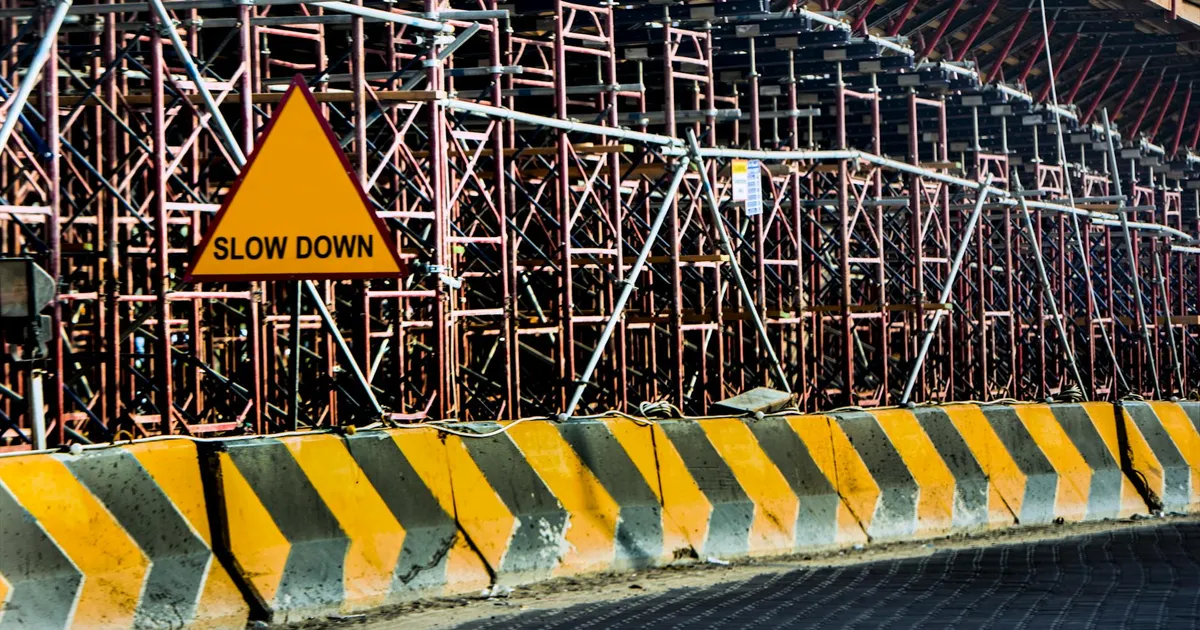
Lower Hutt’s city centre is nine months into a year-long construction gauntlet. The Queens Drive/High Street intersection closed in March and won’t reopen until December, part of the SH2 Melling Transport Improvements feeding into the larger RiverLink project. Layered on top are simultaneous works from Hutt City Council, Greater Wellington, and NZTA, producing rolling gridlock that has tripled commute times for some drivers as far away as the Wairarapa.
For the cafes, dental practices, and shops lining the affected corridors, the maths is brutal. Jade Wirepa, front of house at Shine Cafe, says customers who used to arrive in two minutes now face a 15-minute detour and many have simply stopped coming. Rose Riley, practice manager at Gentle Dental, described the closures as “hard to dodge”: “You try to avoid it and go another way, and then there’s some more somewhere else.”
NZTA Project Director Matt Hunt’s response was that disruption is “unavoidable and some disruption is inevitable”. Hutt City councillor Brady Dyer’s primary advice was to use a mapping app, noting he had “discovered parts of the city I didn’t even know existed.” Businesses losing half their revenue can be forgiven for not finding that charming.
The same story in every city
Lower Hutt is not an outlier. It is the pattern.
In Nelson, the Turkish Kebab House on Bridge Street has seen a 70% profit drop since a $78 million water infrastructure upgrade began, with works expected to run until mid-2027. Sublime Coffee reported daily takings down by roughly a third and is planning staff cuts.
In Auckland, Raj Singh of Avi’s Pies and Patisserie on Great North Road says sales have dropped around 40% since roadworks appeared. He has taken out multiple loans to pay rent, stopped drawing a salary, and was denied compensation by Auckland Transport.
In Lincoln, Canterbury, Rick Sun of Lincoln Convenience Store says he has lost about 70% of his business during a $46 million town centre upgrade and is keeping the doors open with personal funds. Cottage Cafe owner Surekha Puda put it plainly: “People don’t want to drive into the centre for a breakfast or a coffee in a polluted, loud construction area.”
The research exists, the policy doesn’t
None of this is a surprise to anyone who has read the numbers. The New Zealand Institute of Economic Research reviewed the impact of major infrastructure construction on retail businesses across projects including Auckland’s City Rail Link and Wellington’s Let’s Get Wellington Moving. It found retailers face a higher risk of closure during construction periods and estimated average revenue losses of up to 22% based on Canadian data. The real-world New Zealand figures, 40 to 70%, make that estimate look conservative.
Retail NZ chief executive Carolyn Young was explicit: “Local and central government should provide adequate funding to support businesses through the most difficult phases of construction.”
The NZIER recommended early outreach, clear communication, and direct financial support. In Lower Hutt, Nelson, Auckland, and Lincoln, none of those recommendations are standard practice.
The budget excuse that shifts costs to shopkeepers
Greater Wellington Public Transport Committee chair Ros Connolly gave the game away when she explained why councils won’t accelerate works: “We hear a lot of issues around people saying their rates increases are too high, so we’re trying to focus on delivering these projects at an efficient and affordable rate.”
Translated: councils could shorten the disruption window through night shifts and faster timelines, but that costs more. Ratepayers are already angry about rates. So the council picks the cheaper, slower option and the cost difference is paid by the small businesses in the construction zone who had no say in the decision.
Wirepa at Shine Cafe sees the absurdity clearly: “They should be having around the clock workers working through the night if it’s that important.”
A policy outcome, not a market one
The RiverLink project will improve flood resilience and transport connections for Lower Hutt for decades. Nobody disputes that the work needs doing. But when a business loses 50 to 70% of its revenue for a year or more because of a council decision, that is not a market outcome. It is a policy outcome. And the question of who should bear that cost, the individual business owner or the ratepaying public that benefits from the infrastructure, is one New Zealand’s councils keep answering by default.
New Zealand has no standardised framework requiring councils to compensate or materially support businesses during construction-imposed access disruption. The NZIER has recommended it. Retail NZ has demanded it. Councils are ignoring it. Until that changes, every major infrastructure project will come with an invisible line item: the small businesses that didn’t make it through.
Sources
- RNZ: Businesses fear months of roadworks on Lower Hutt streets will put potential customers off (2026-03-02)
- RNZ: Hutt roadworks traffic chaos: Short term pain for long term gain – mayor (2026-03-06)
- ODT: ‘It is really bad’: Businesses feeling the pain of roadworks
- RNZ: Businesses on busy road suffering as shops barricaded by roadworks for a year
- RNZ: Nelson shop’s profit drops 70% as major roadworks close street
- RNZ: Retailers need more support to offset construction work disruption, NZIER finds