

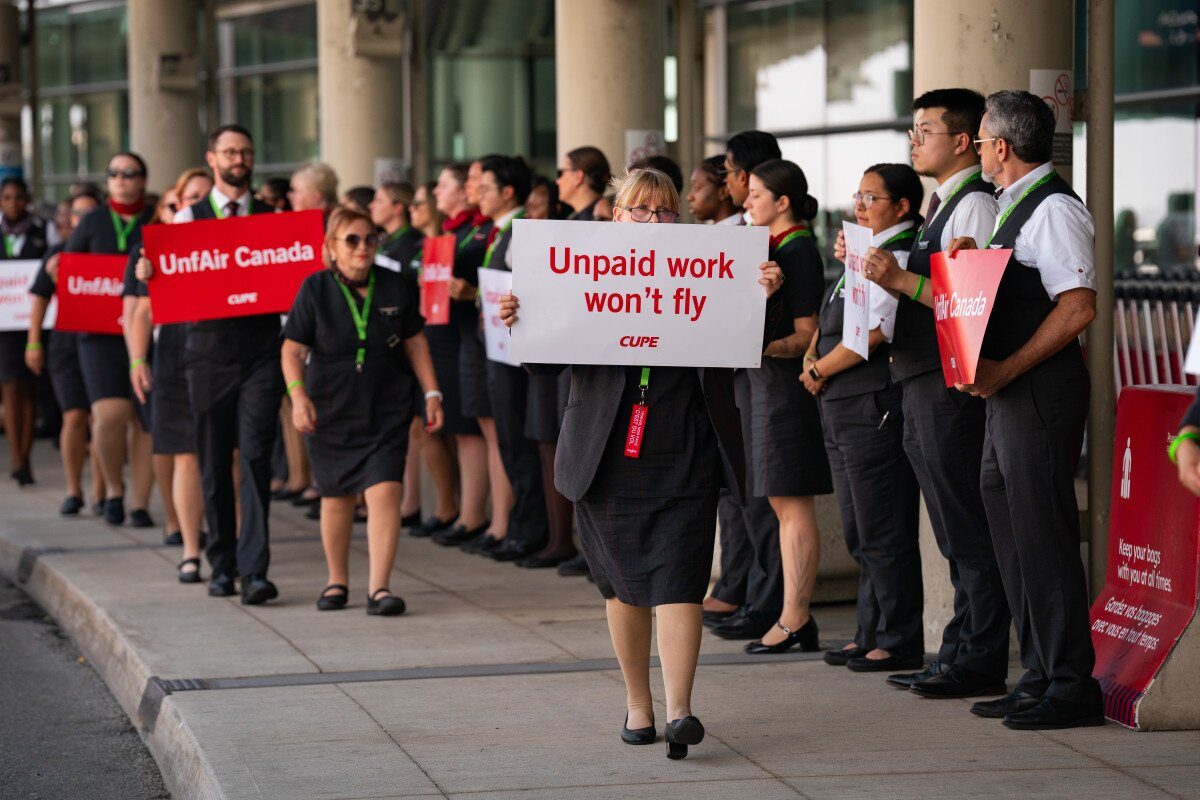
Canada’s federal government intervened to end the strike by Air Canada’s cabin crew, ordering binding arbitration to resolve the contract dispute. The strike, which began on August 16, 2025, led to the cancellation of nearly 700 daily flights, affecting over 100,000 passengers.
Jobs Minister Patty Hajdu asked the Canada Industrial Relations Board (CIRB) to impose an immediate stop to the strike and enforce arbitration.
“This is not a decision that I’ve taken lightly, but the potential for immediate negative impact on Canadians and our economy is simply too great,” she said.
The dispute centred on wages and pay for ground duties, with the airline offering a 38% wage increase over four years, including a 25% rise in the first year. CUPE, the union representing about 10,000 attendants, found the offer inadequate and sought pay parity with other Canadian airlines such as Air Transat.
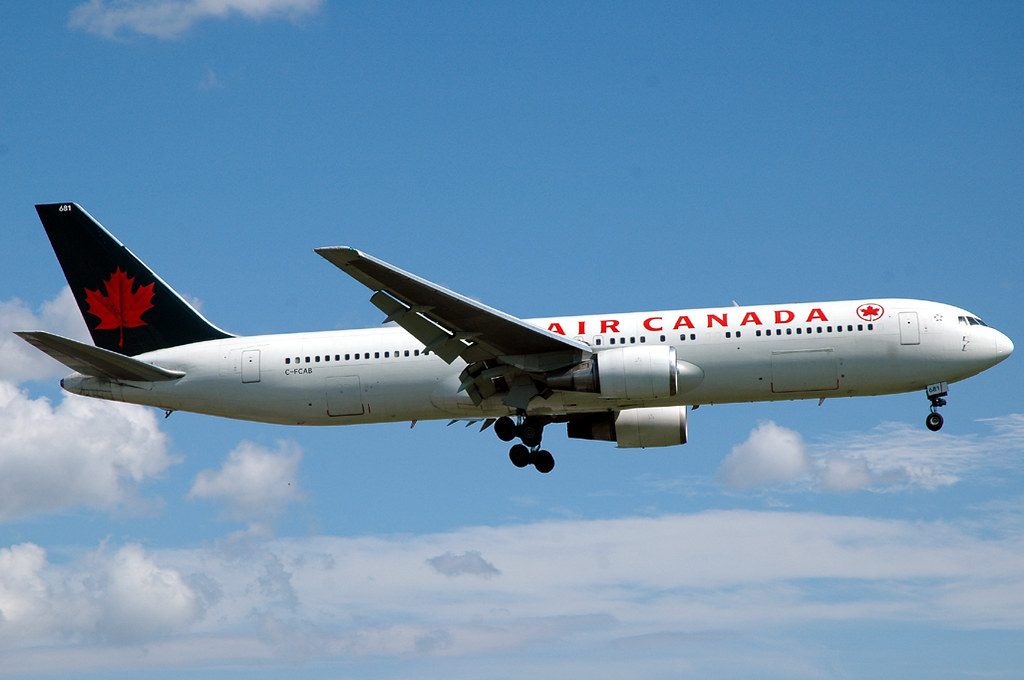
Following the government’s move, CIRB ordered flight attendants to return to work by 2 p.m. EDT on August 17, extending the current collective agreement until a new deal is reached through arbitration. Air Canada plans to resume flights that evening but warned it may take a week or more to restore full operations. Regional affiliates were unaffected.
The strike caused disruptions at major airports across Canada and added economic pressure amid ongoing U.S. trade tensions. The government’s intervention, supported by business groups, aims to protect the economy and supply chains. CUPE criticised the decision, saying it rewards Air Canada’s hardline stance.
Air Canada is the country’s largest airline, serving over 180 destinations worldwide.