

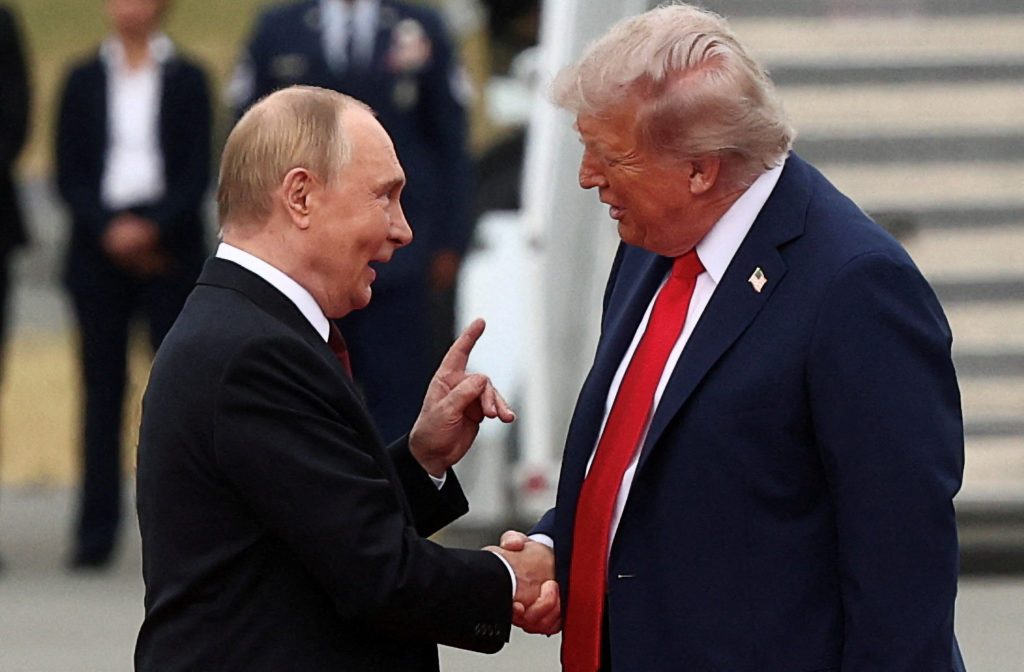
The recent summit between President Donald Trump and Russian President Vladimir Putin in Alaska has unsettled Ukraine and its allies, indicating a shift in the U.S. stance on the conflict.
Trump moved away from insisting on an immediate ceasefire, favouring instead a peace deal—aligning Washington more with Moscow than Kyiv and its European partners.
In response, European leaders including NATO Secretary-General Mark Rutte, European Commission President Ursula von der Leyen, Finnish President Alexander Stubb, and German Chancellor Friedrich Merz will join Ukrainian President Volodymyr Zelenskyy in Washington on Monday.
Their aim is to coordinate with the U.S. and reaffirm support for Ukraine. Discussions are expected to cover security guarantees, territorial issues, and ongoing defence aid.
Despite warm gestures such as a red carpet welcome and a limousine ride for Putin, the talks ended without a ceasefire or firm agreements. Trump described the meeting as “very successful” but admitted “there’s no agreement until it’s finalised.”
He abandoned threats of sanctions and deadlines for Russia, instead pushing for a comprehensive peace deal, which reportedly involves Ukraine ceding territory—an idea strongly rejected by Kyiv.
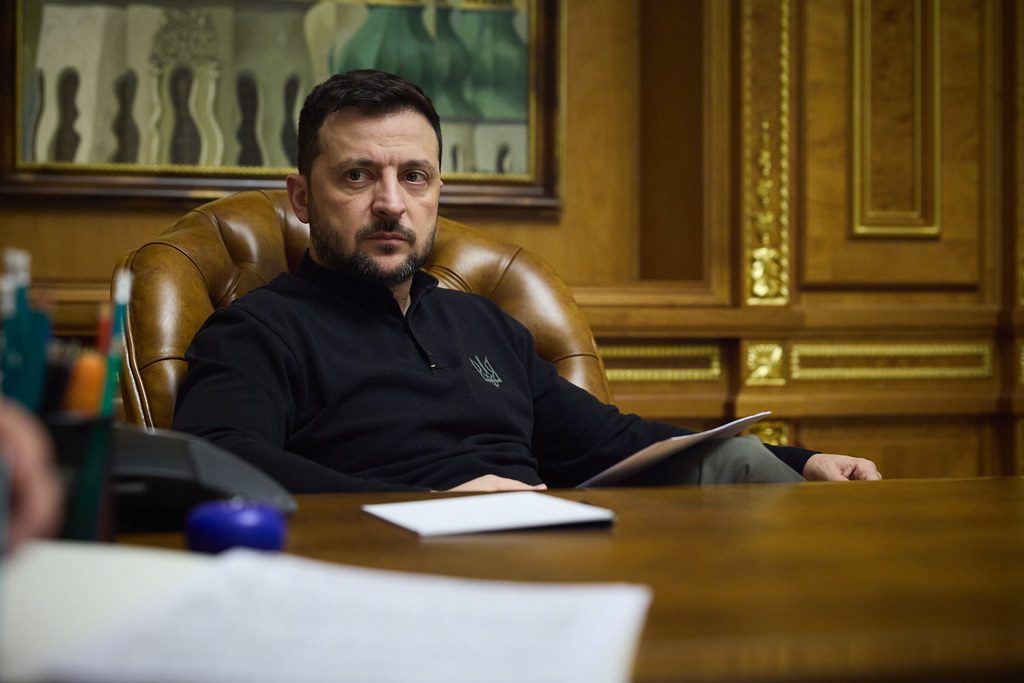
Trump later spoke with Zelenskyy and European leaders about possible NATO-style security guarantees for Ukraine that would activate if Russia violated a peace deal. However, U.S. officials emphasised this would not include U.S. troops on the ground or NATO membership, though European allies affirm Ukraine’s right to seek accession.
Zelenskyy criticised Putin’s refusal to halt fighting, stating, “Russia rebuffs numerous calls for a ceasefire and has not yet determined when it will stop the killing.”
Western observers saw the summit as a diplomatic win for Putin, with critics saying he outmanoeuvred Trump despite earlier promises of sanctions and ceasefire demands. Trump remains hopeful for a trilateral peace meeting and urges Kyiv to “make a deal,” while Zelenskyy insists that any territorial concessions require constitutional changes and strong security guarantees.
European leaders are called to act decisively, with British Prime Minister Keir Starmer warning of further sanctions if hostilities continue and stressing Ukraine’s right to pursue NATO membership.